Conversations with aldershot: R&D Project 2019

link

Across 2019 I conducted a research and development project in my home town of Aldershot. This came out of my previous work Statements in Semaphore, where by I had for two years worked with organisations and artists to discover hidden voices and how to consider their visibility through art practice. I want to bring this work to my local town, Aldershot and spent 2019 looking at how I could do this meaningfully, who would want to be involved and which areas spoke the most to me and my practice. Alongside this I spent the time developing my own Art practice through a series of 1/2 days sessions with experienced Artists. These sessions took the form of experimental sessions, mentor style talks, reflective sessions and creative practice sharing. I called this series of sessions ‘Practicing to Share’.

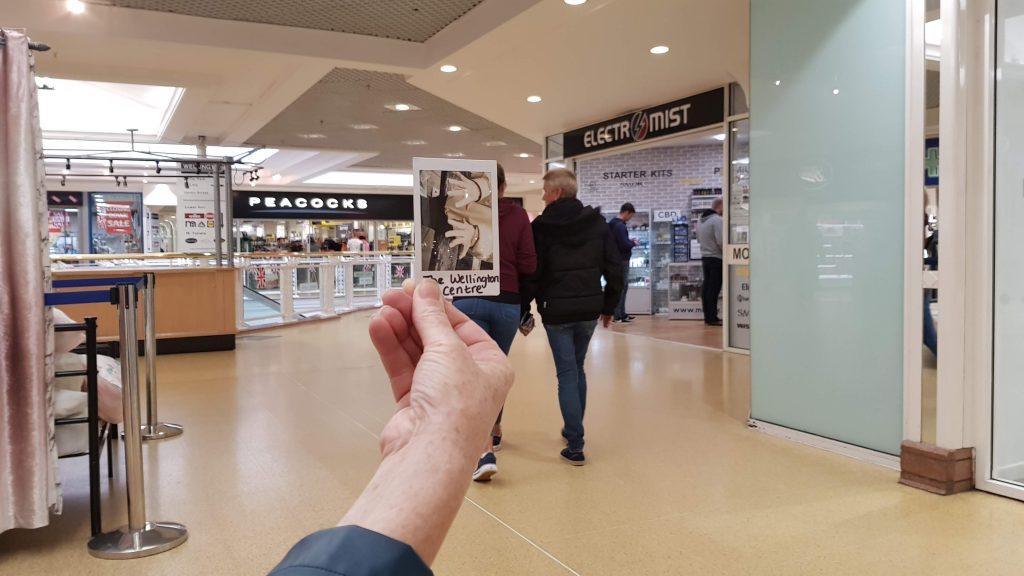
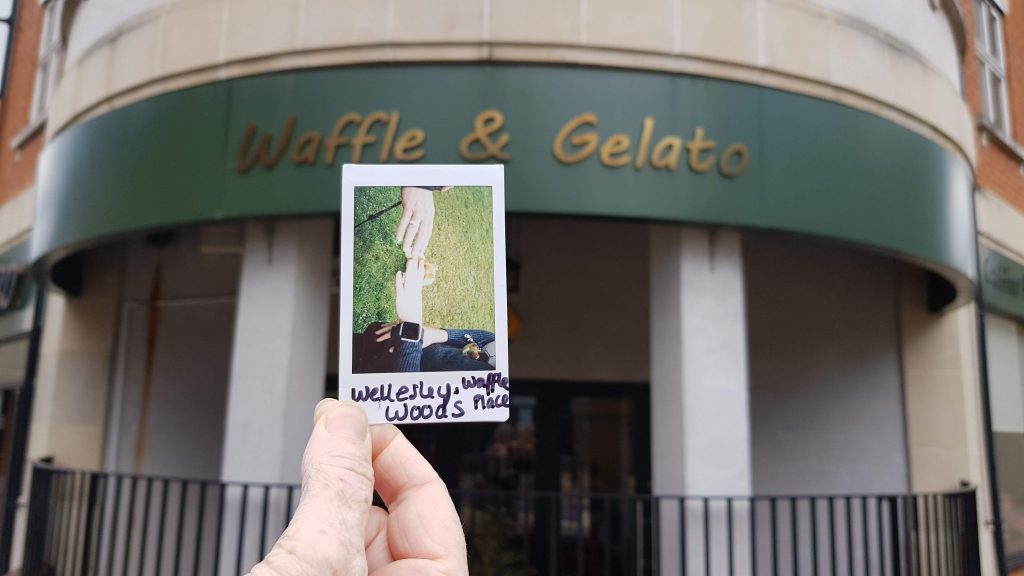
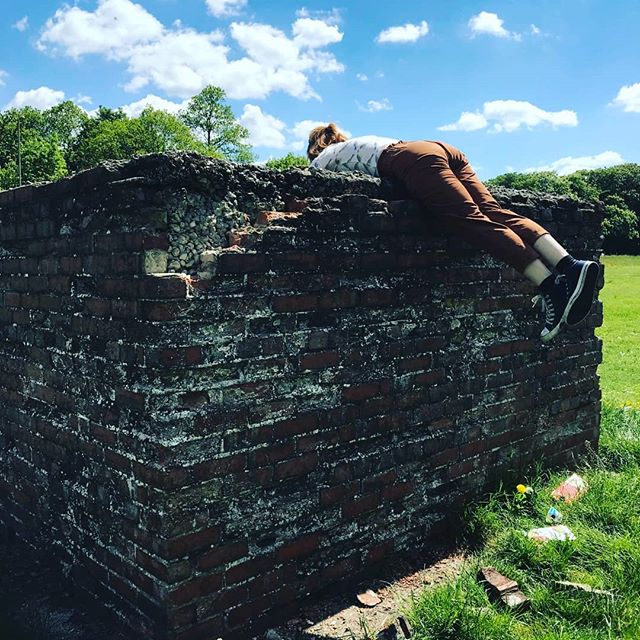
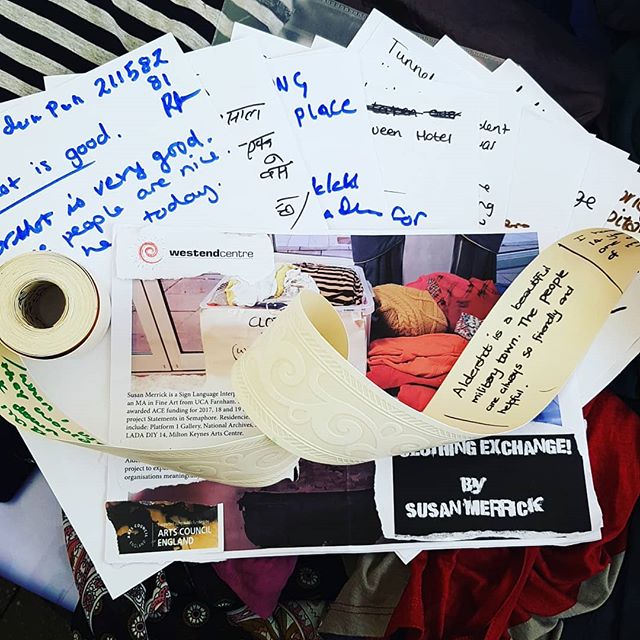
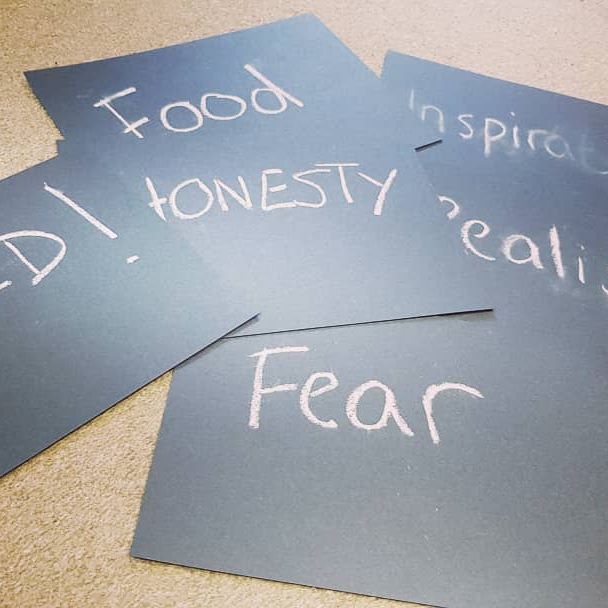
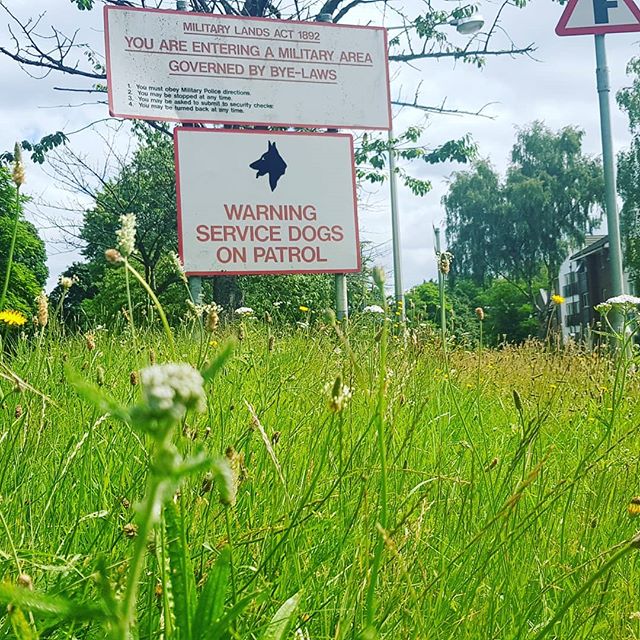
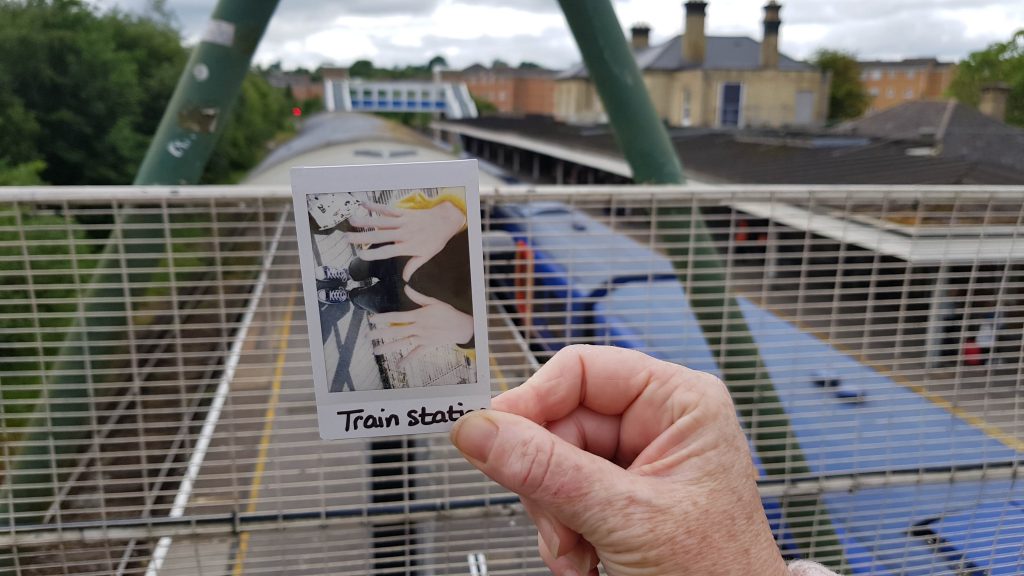
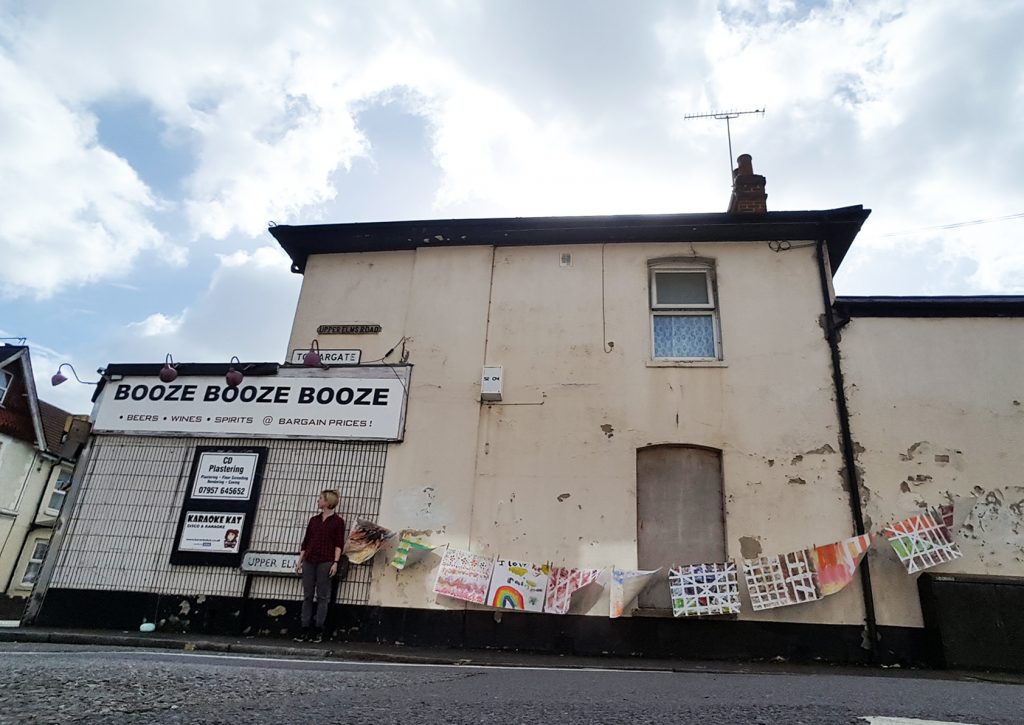
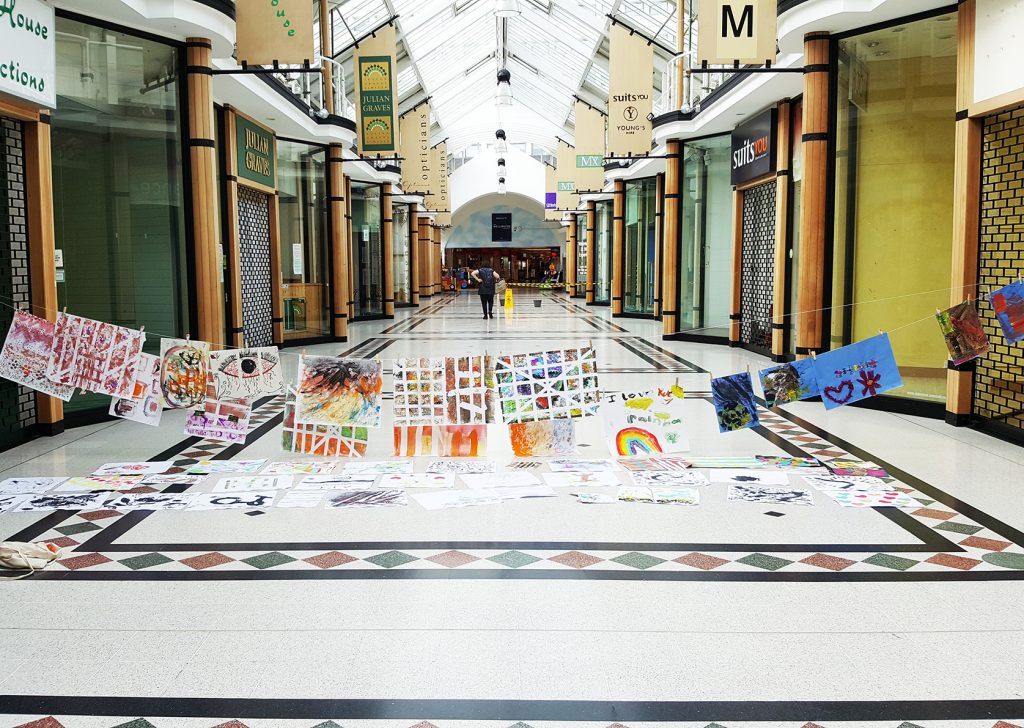
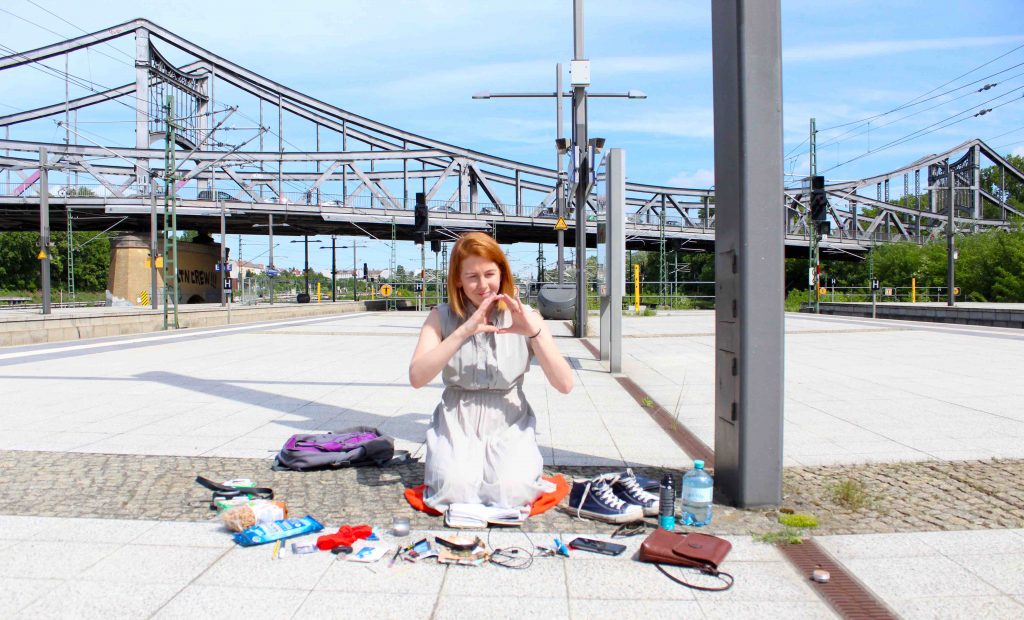
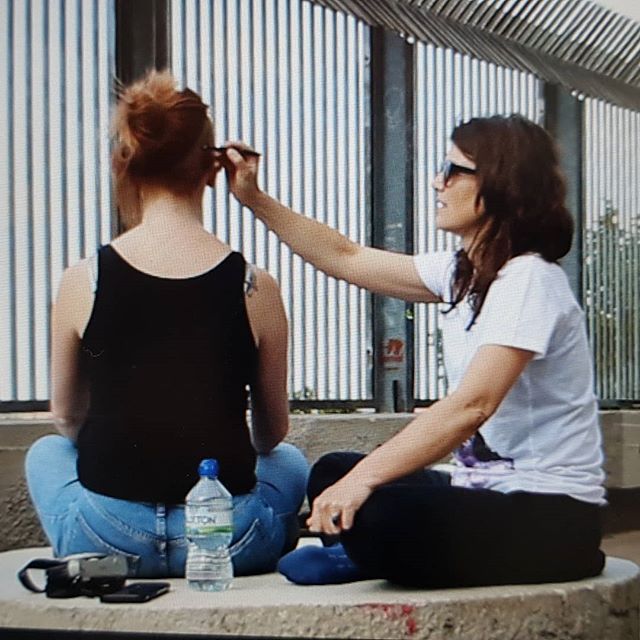
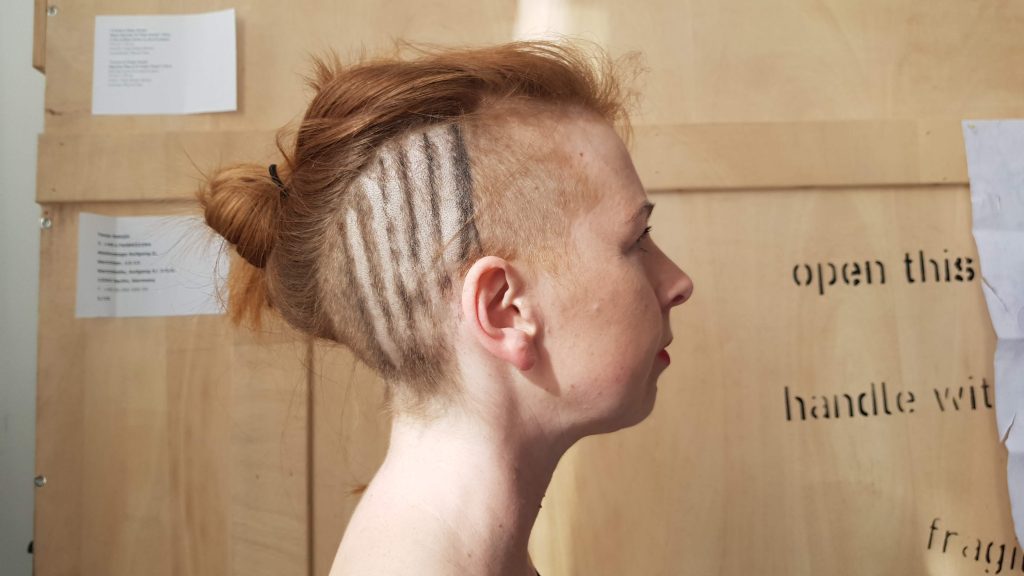
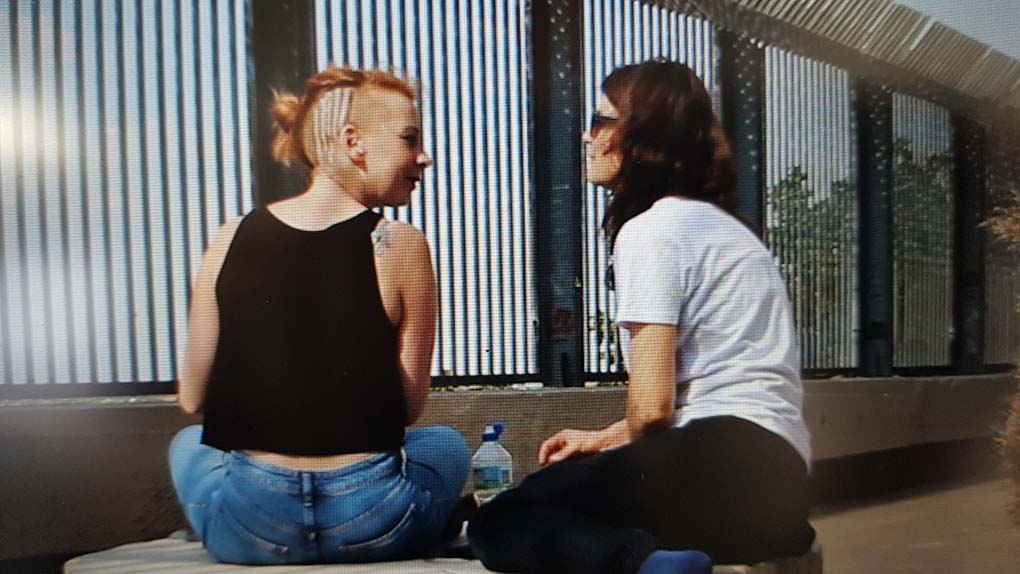
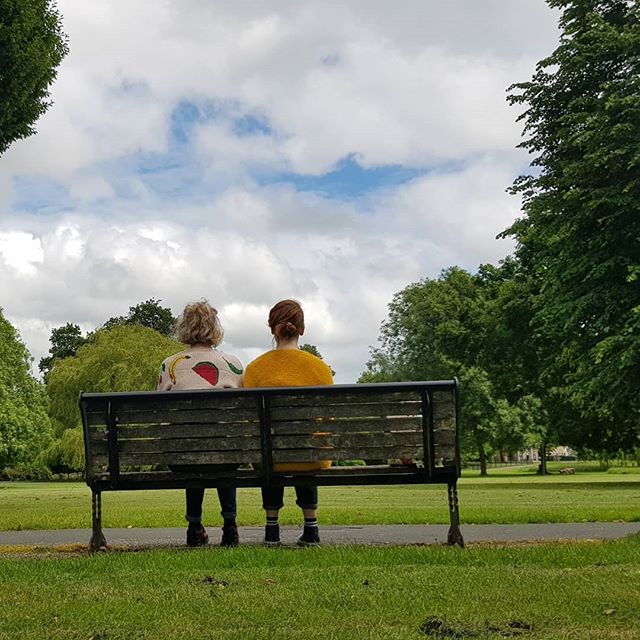
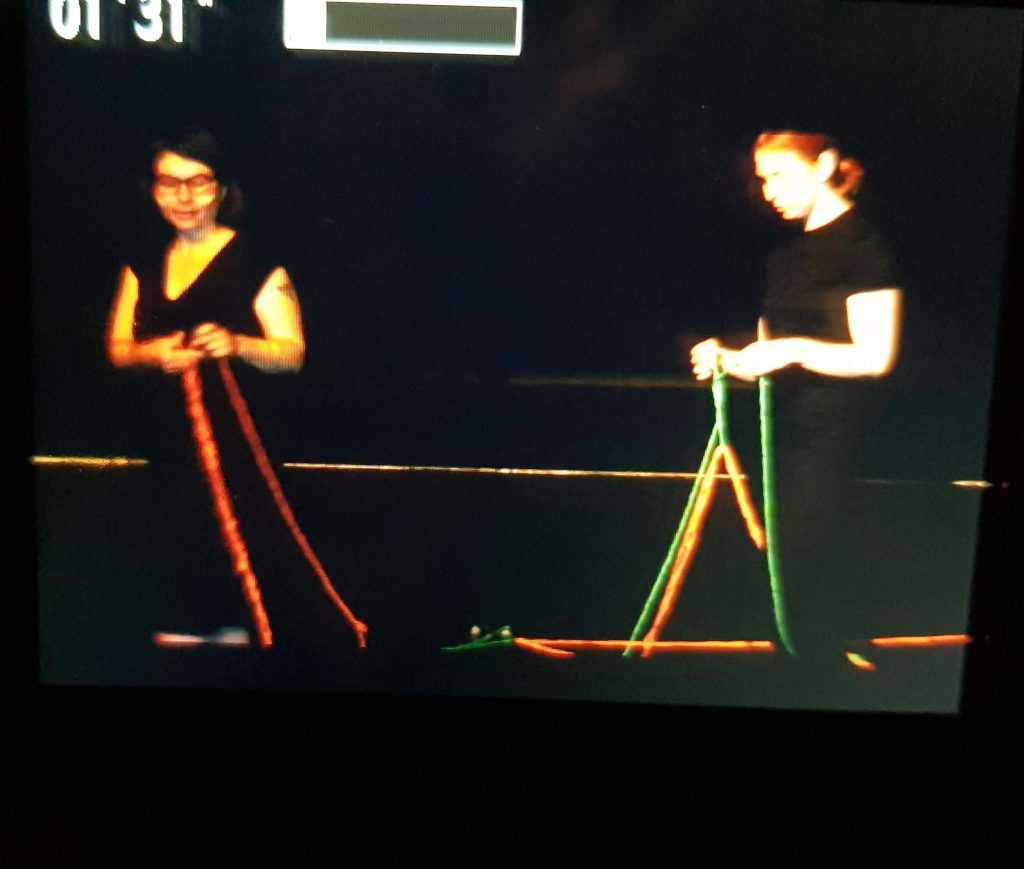
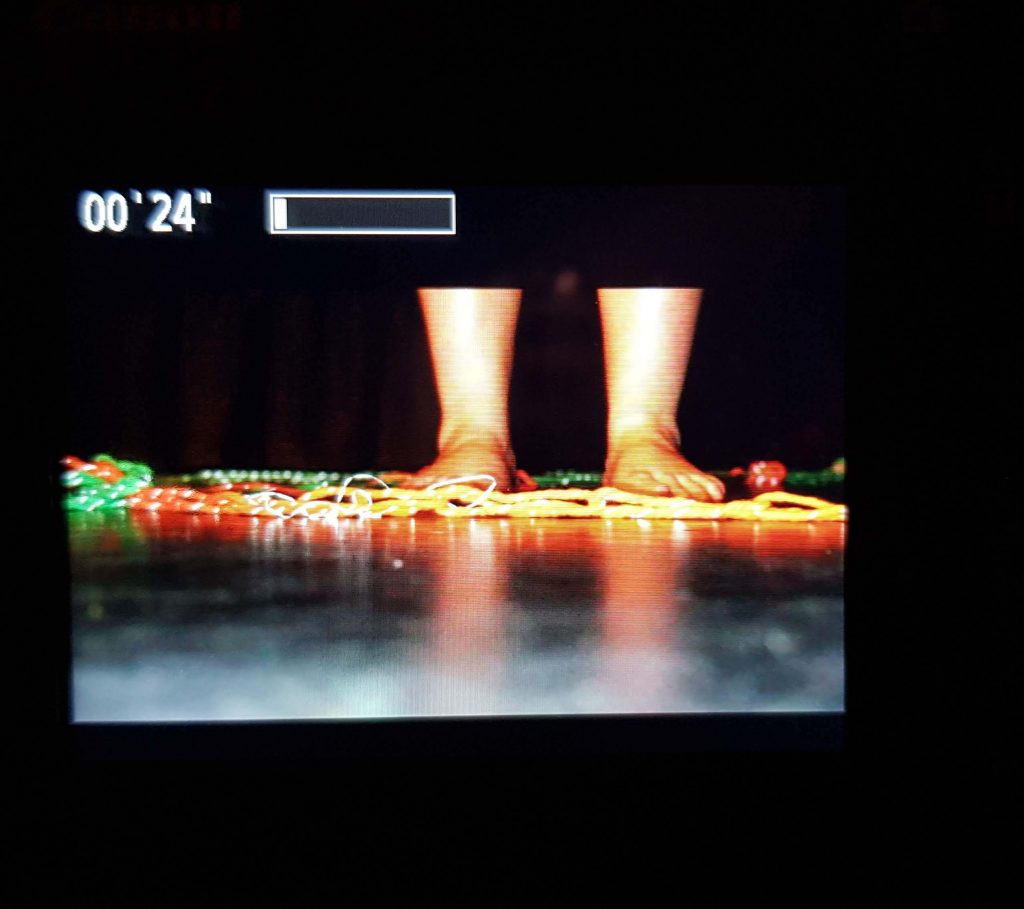
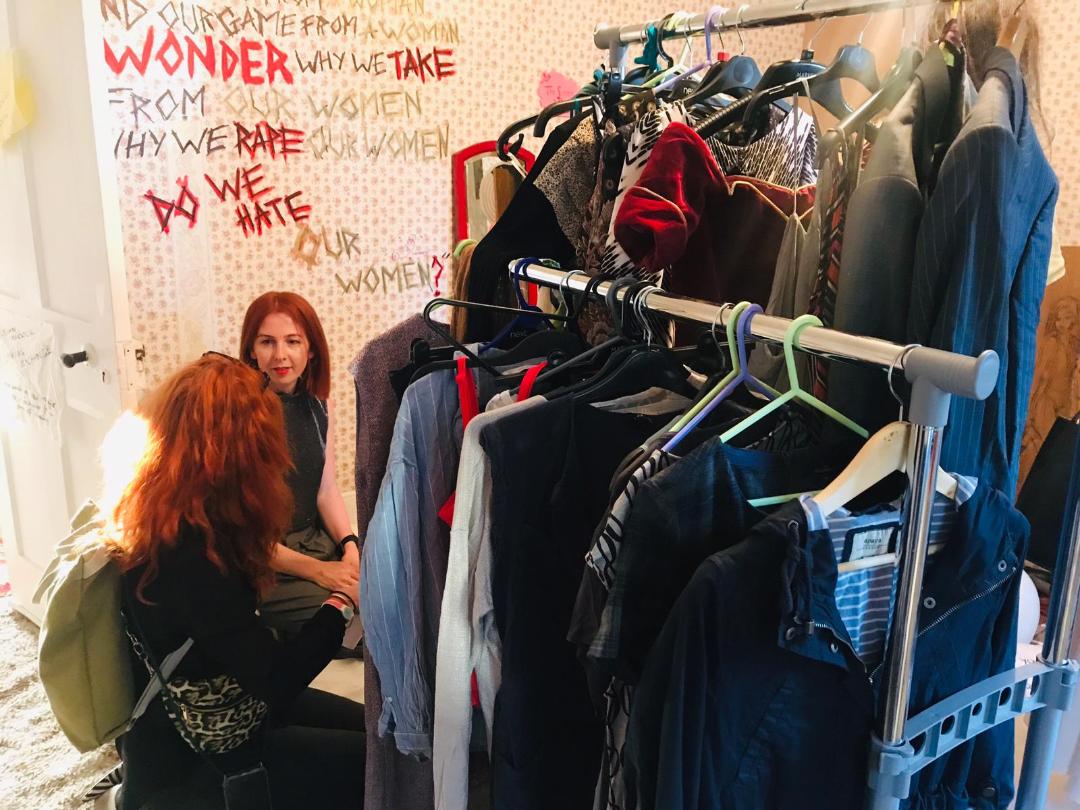
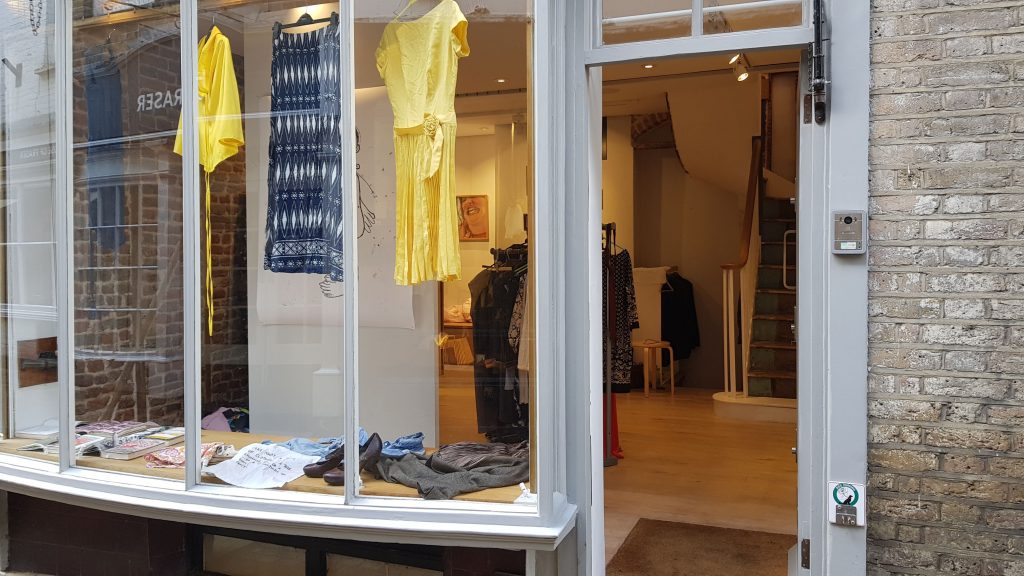
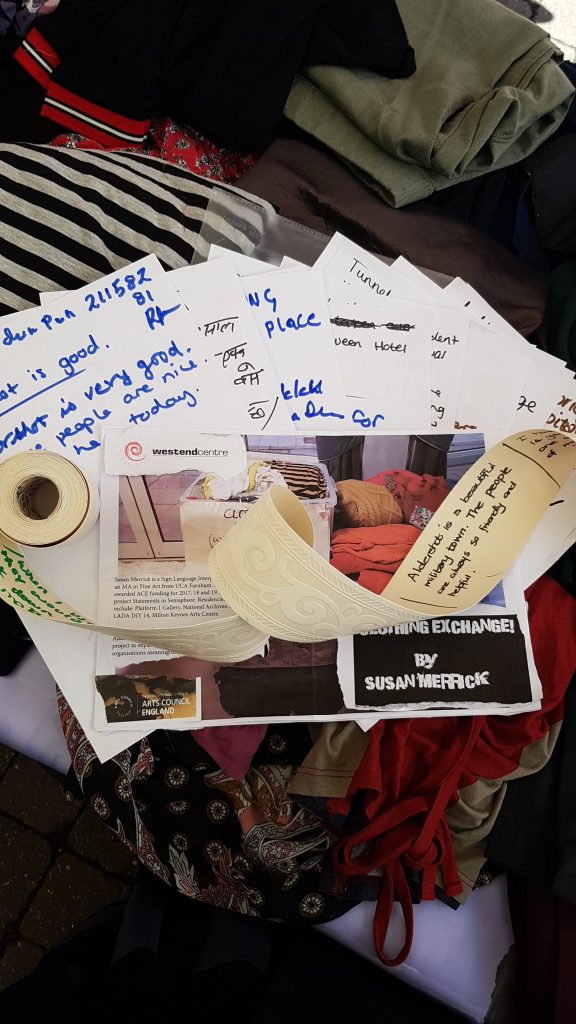
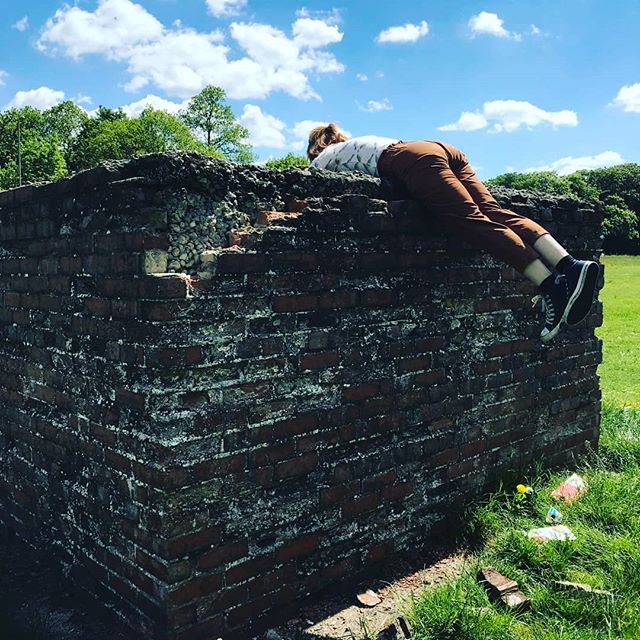
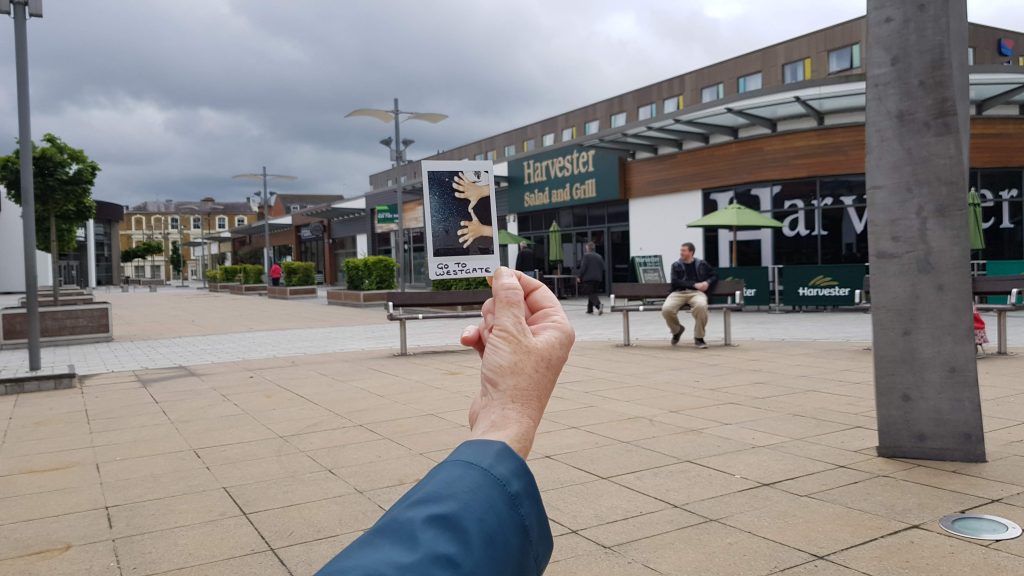
The images above show some of the work that has happened in Aldershot through the 2019 R&D period as well as some of the work from Aldershot that came out of Statements in Semaphore.
PRACTICING to share: Series of collaborations 2019

link

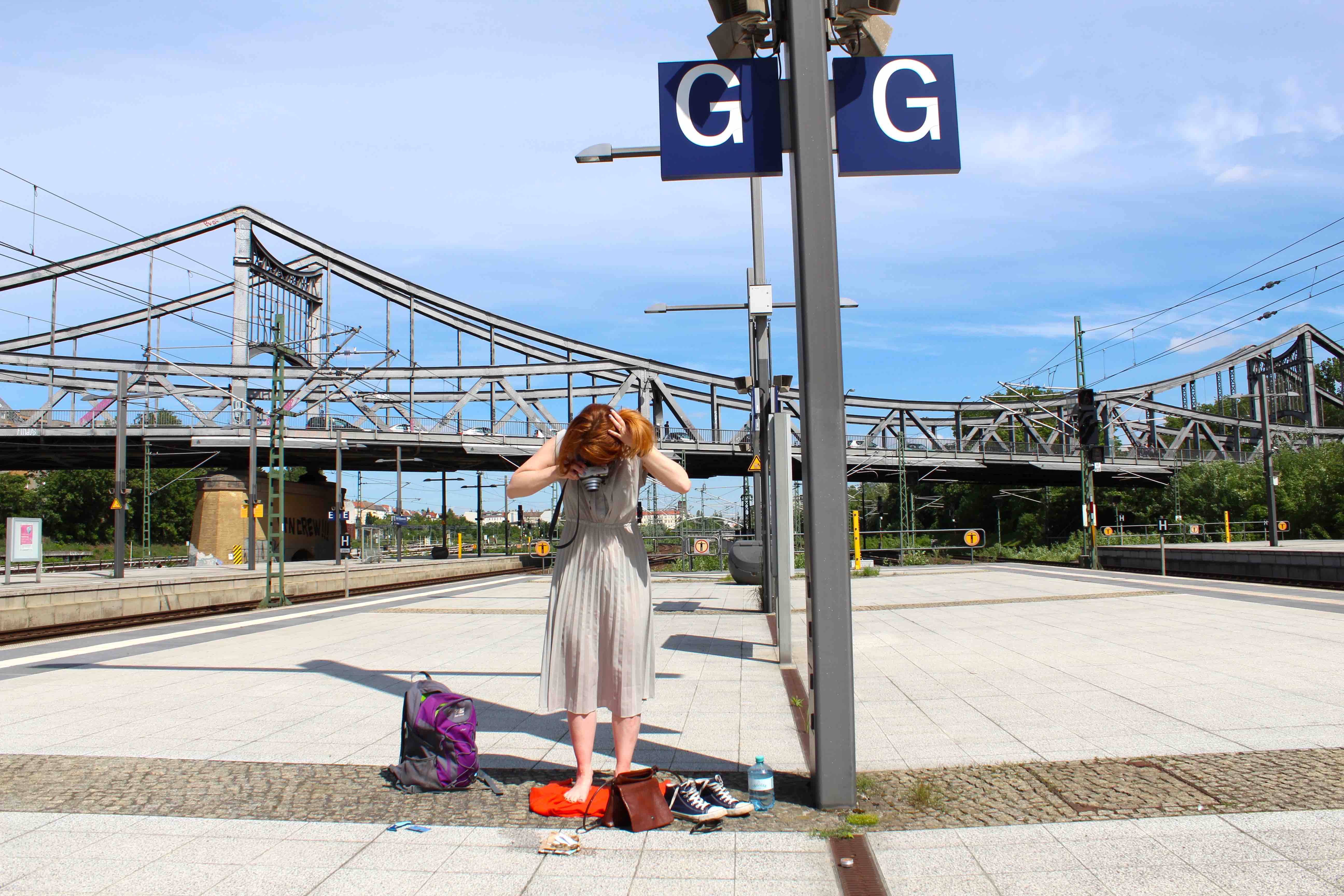
Across 2019 I received a project grant from Arts Council England. The grant was two fold – to develop my own artistic practice, but to also develop my project Statements in Semaphore to become Aldershot specific. During this time I have started two new pieces of ongoing work. Practicing to Share and Conversations with Aldershot. These images are a small selection of images from the ‘Practicing to Share’ series showing some of the work and practice sharing that took place. I have been working with nine different Artists over 2019 with a focus on how we can usefully share practice in limited time frames or with limited resources. This is especially useful in the current climate where many of us Artists have other work or caring responsibilities alongside our practice, we cannot afford or manage the time for studio space or consistent creative time with other Artists.

More info on each piece of work will be available soon.

Clothing Exchange: participatory installation

Gallery link

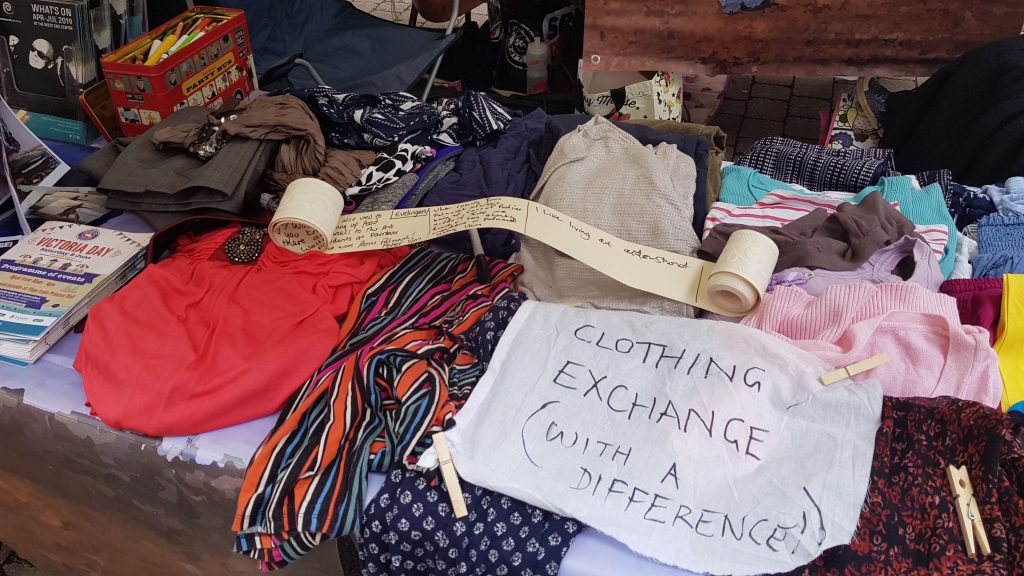
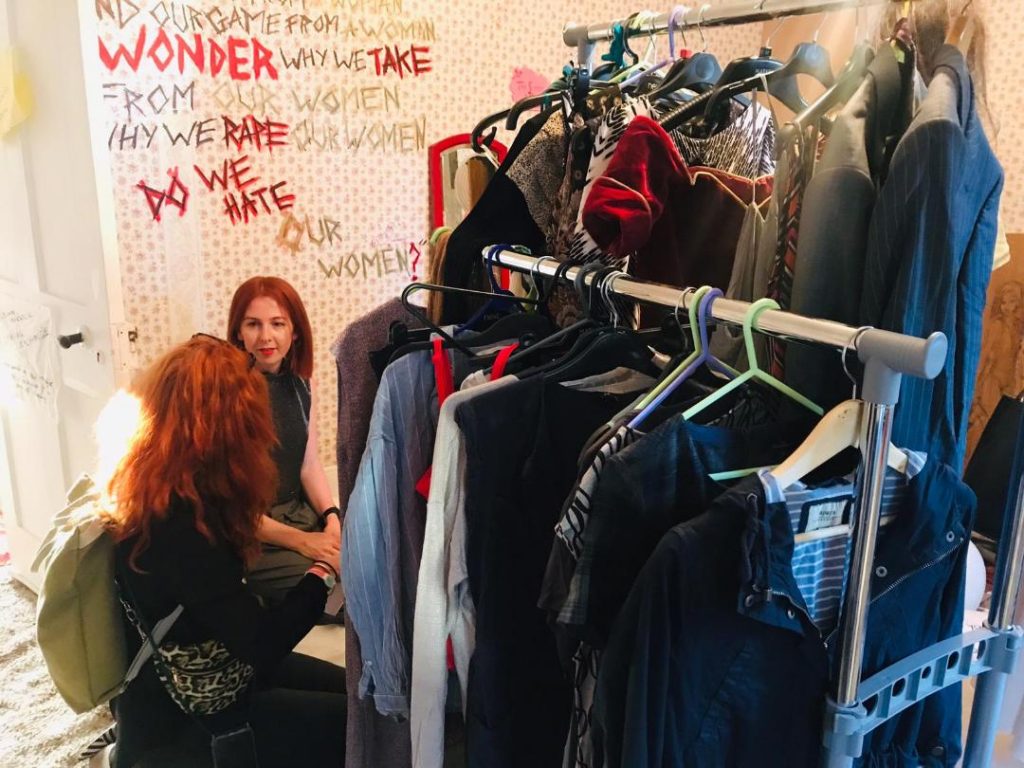
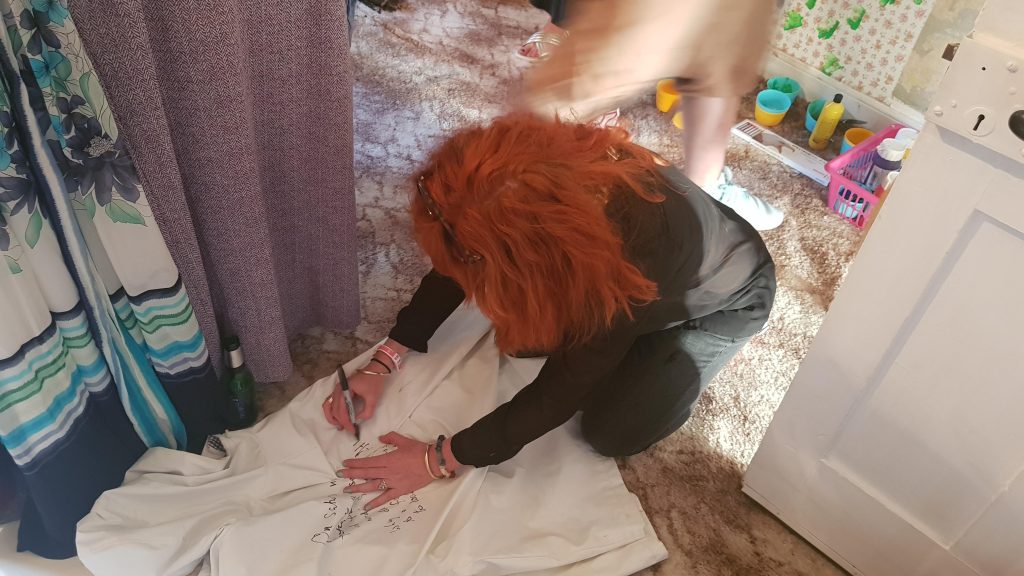
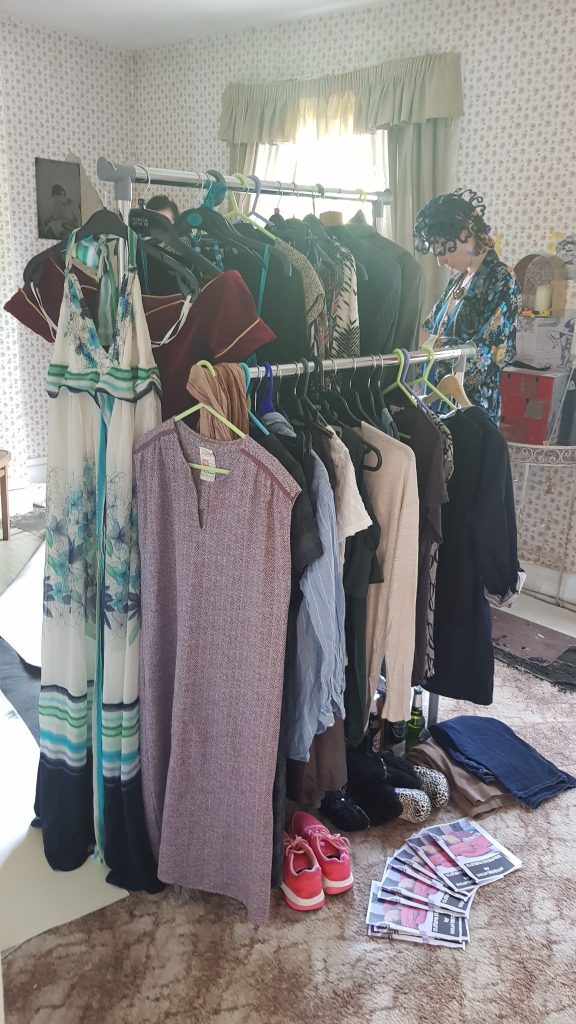
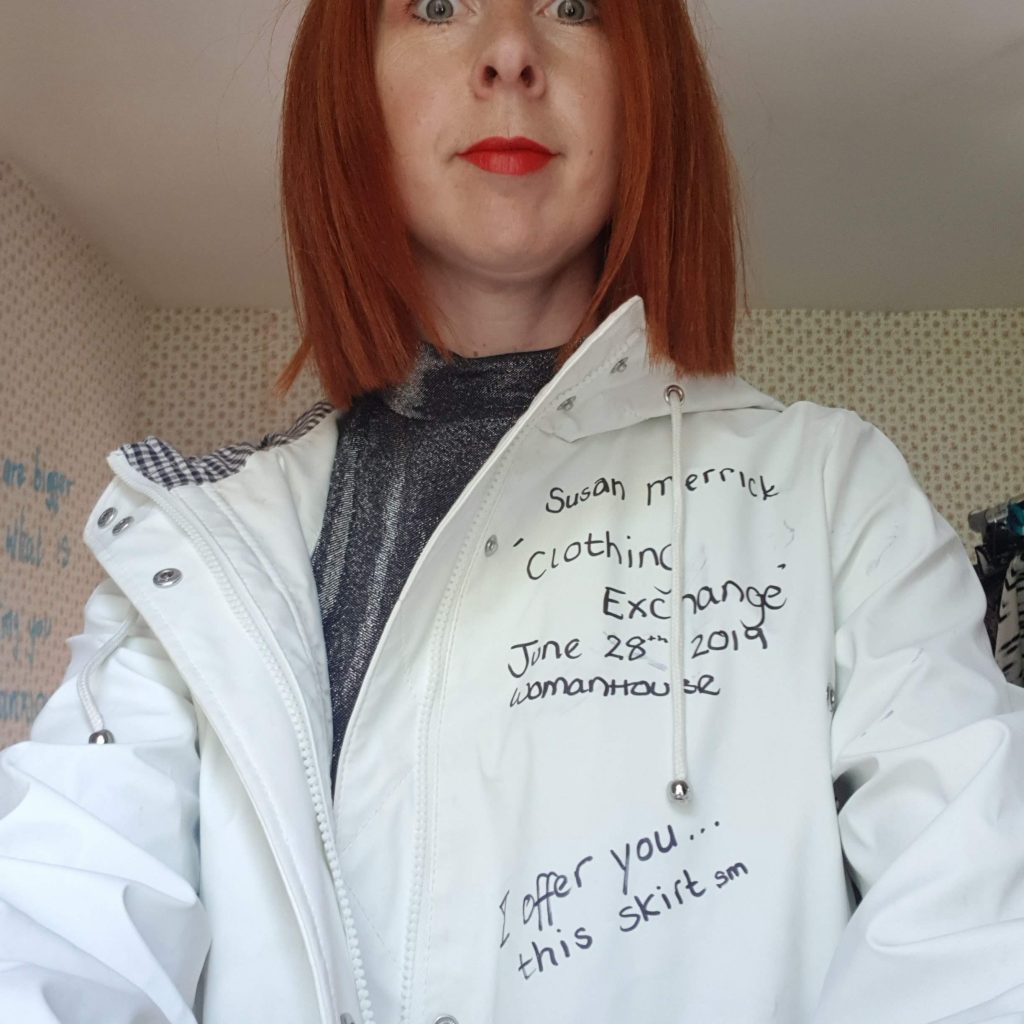
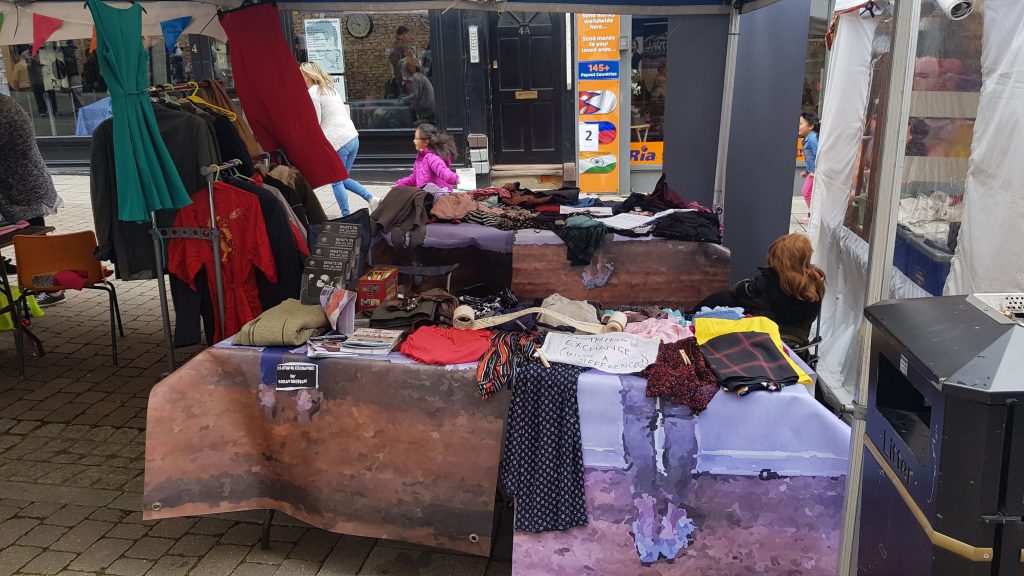
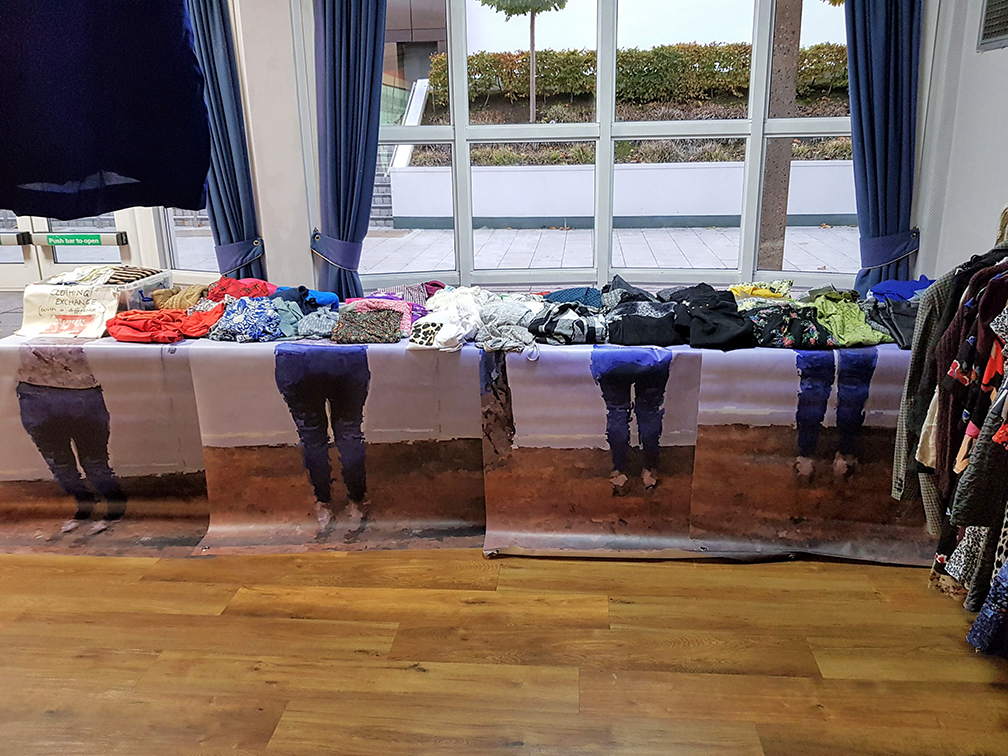
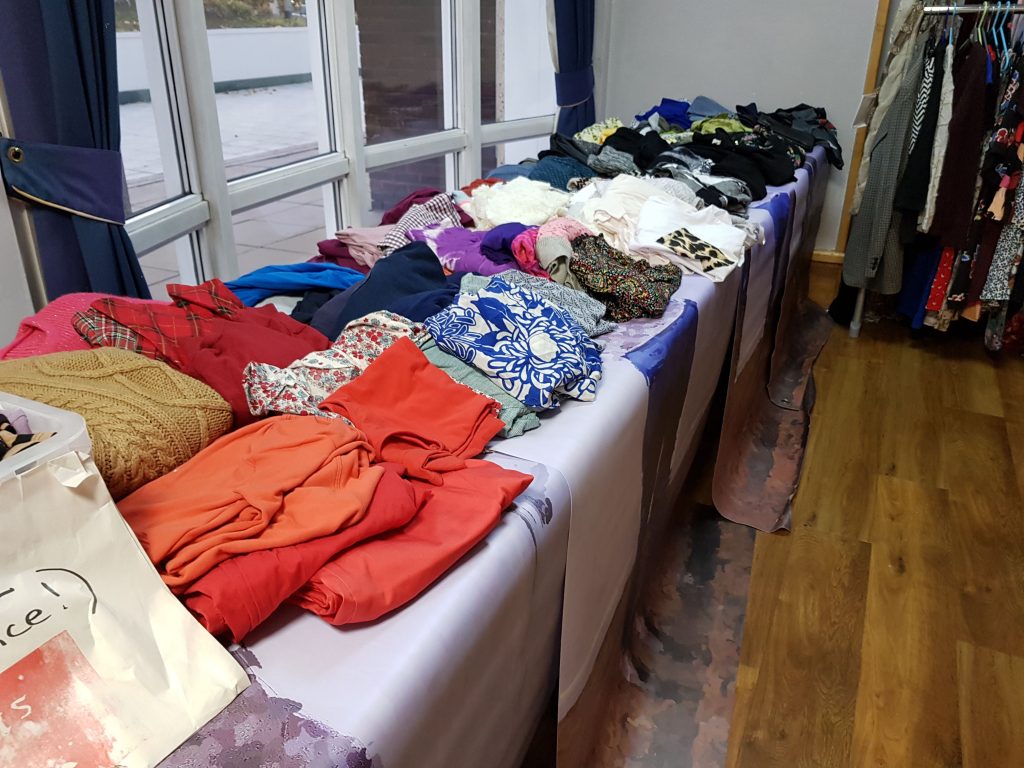
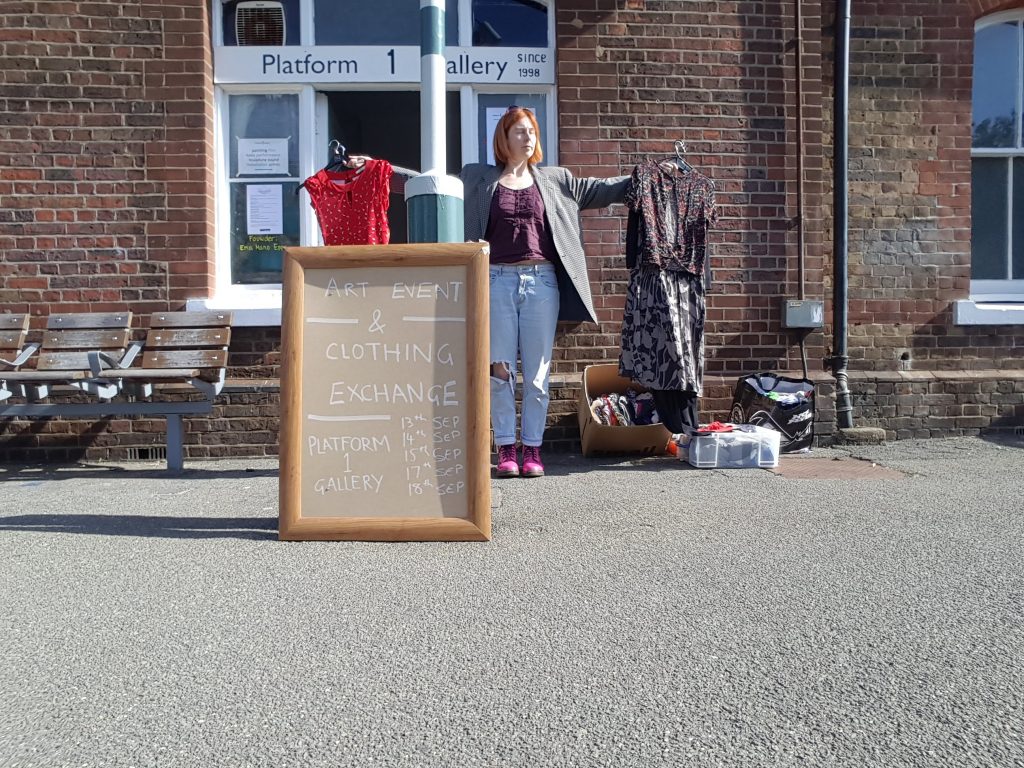
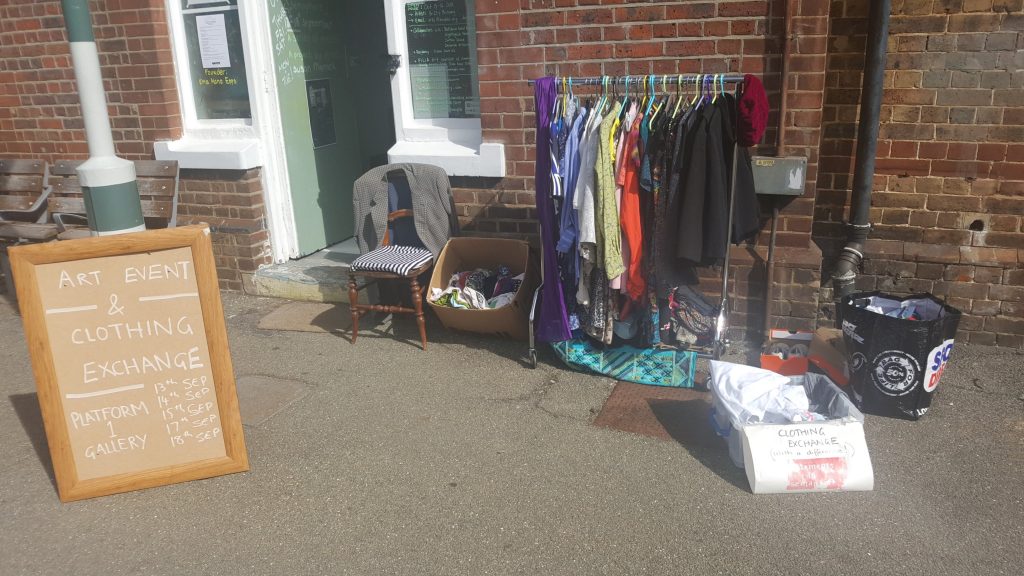
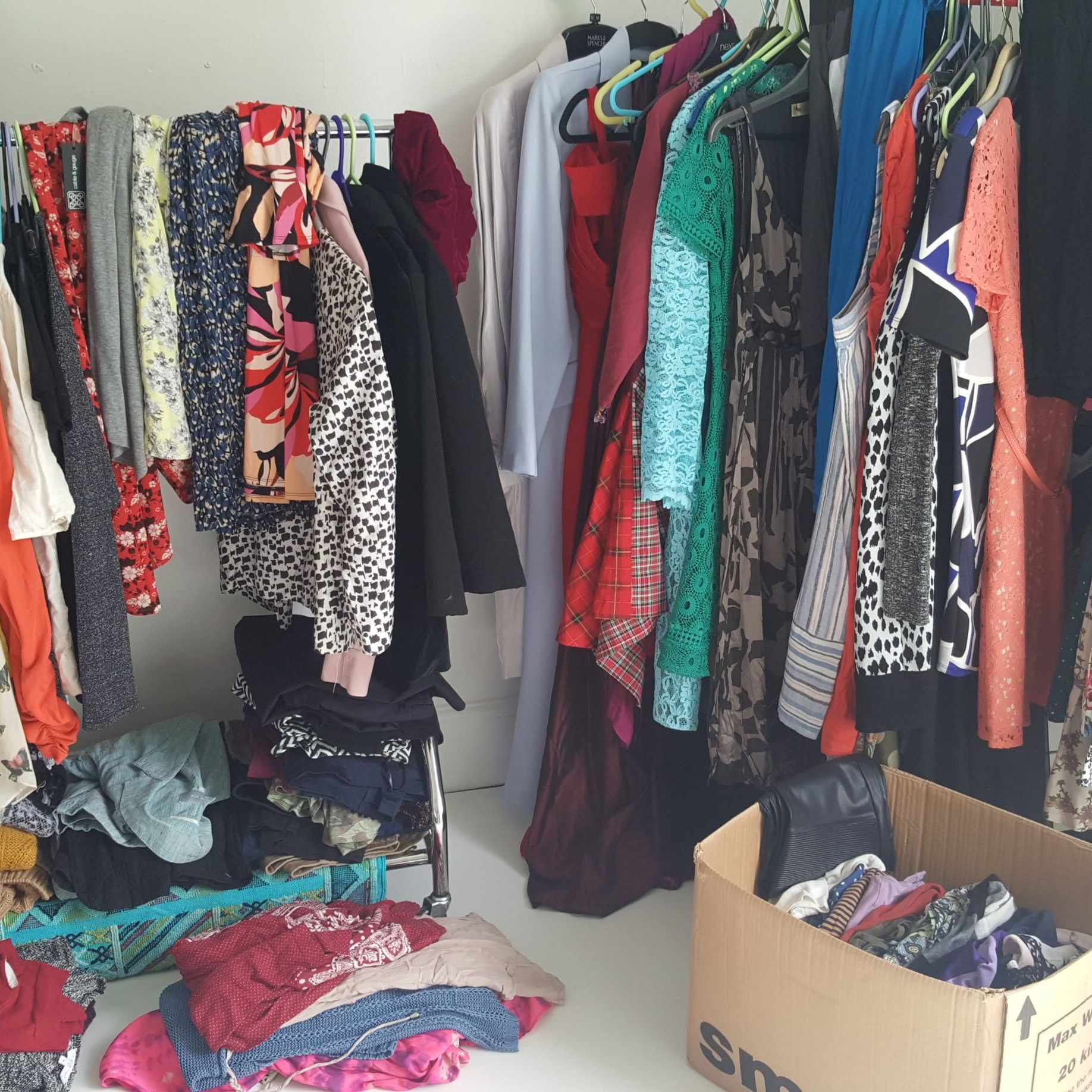
‘Clothing Exchange’ is an interactive public installation that I have been developing over the past two years. The exchange began it’s life as part of my exhibitions ‘A SERIES OF EVENTS 1&2’ as part of my project Statements in Semaphore 2018. After working with women who were living in refuges I wanted to find a way to draw audiences into the gallery space I was inhabiting at Wandsworth Common train station. Second hand clothing is something I am often drawn to in my practice, and as many of the women that I worked with had left home without any clothing, it felt like a fitting context. A clothing exchange is also something that non-art audiences are familiar with, so it had the added benefit of engaging with a wider group of people, thus engaging in wider debates and conversations around the subject matter.

For this reason I have continued to develop the ‘Clothing Exchange’ and have now installed it successfully at five different events/venues as an interactive installation.

#1 A SERIES OF EVENTS #1 Platform 1 Gallery, Wandsworth Common, #2 A SERIES OF EVENTS #2 Princes Hall, Aldershot, #3 Desperate Artwives Exhibition ‘The M Word’, One Paved Court, Richmond, #4 Victoria Day – The West End Centre Stall, Aldershot #5 Woman House Revisited, Hackney, London

Woman Up podcasts

link
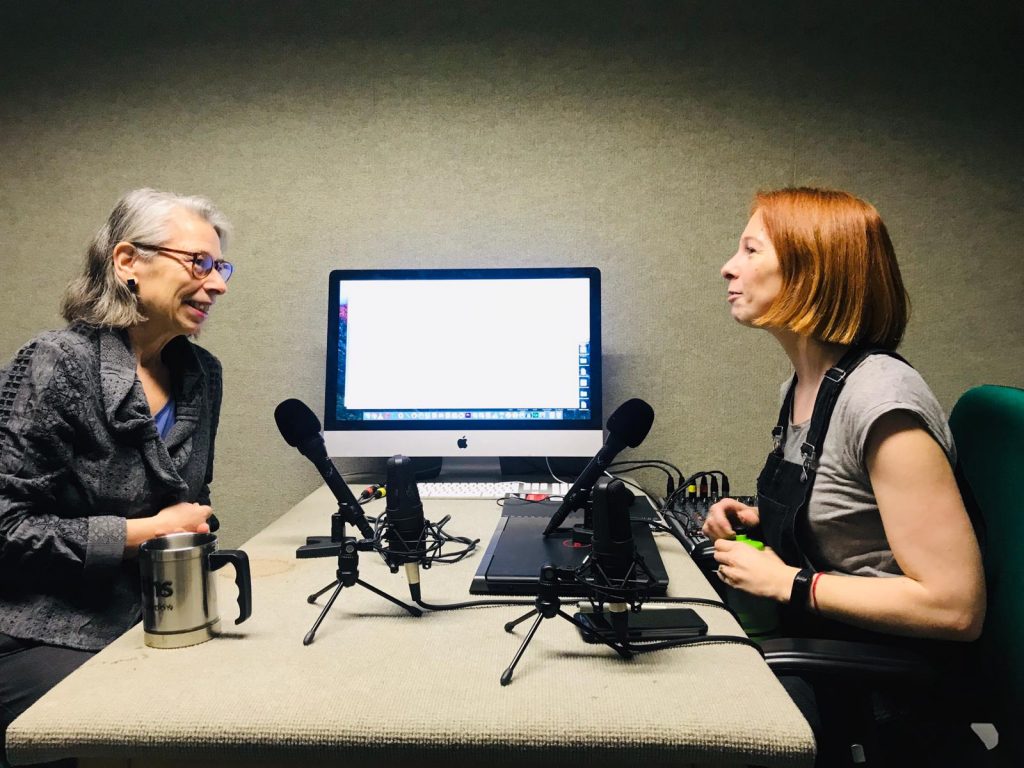
Recording an episode with Althea Greenan at the WAL 2019

A series of podcasts co-created with Desperate Artwives and in association with the Women’s Art Library, Special Collections, Goldsmiths University. Listen here

Concept and Director: Amy Dignam

Presenter and Editor: Susan Merrick

Woman Up! is a series of Podcasts devised by Desperate Artwives in collaboration with Artist Susan Merrick and in association with the Women’s Art Library at Goldsmith’s College. Driven by the many inspiring women and stories we have come across in our feminist practice we realised that we wanted to hear more from some of this amazing group of people. So we have started to gather women from all walks of life who have inspired us, influenced us and activated our practice as artists and curators but above all as humans. We speak with women artists, mothers and academics, writers and activists, midwives, carers and more. Those hoping to inspire, or those being inspired. Those challenging ideas and ideals, questioning assumptions and provoking social change. And maybe those who just have something important to share. We will have conversations about lived experiences, about achievements and inspirations and we will share stories as well as campaigns and awareness. We are choosing to talk to Women* because So much of women’s experience around the world is hidden, silenced, not documented or minimised. This isn’t a podcast for only women to listen to, but it IS a podcast about women and women’s lives. We also focus most of our conversations with women who are also Mothers or Carers. Desperate Artwives is a platform that was set up in 2010 by Amy Dignam to provide visibility and support for Artists who were also mothering/caring. Combining these roles continues to lead to Artists being discriminated against but also to Artists simply not having the time or resources to function in ways that are expected by the ‘Art World’. These Podcasts remain an extension of this work. Join us monthly at www.desperateartwives.co.uk/podcast We would like to say a special thank you to: Althea Greenan and The Women’s Art Library at Goldsmiths College for providing us space and equipment to record as well as support for the project; Rosemary Schonfeld and OVA for the use of their track Early in the Evening, and to the Women’s Liberation Music Archive for storing such inspirational music that we can then find! Mike Dignam for remixing the track for us beautifully and last but definitely not leas, Francesca Mattia for her generous funding of the project. *Including Trans Women ’trans women ought to be included in the feminist coalition because we share some experiences of misogyny with cis women, because we share liberatory goals with feminism, and because our exclusion makes feminism weaker’ Alyson Escalante